

1
Custom Shirt Printing Near Me: Trusted Screen Printing Custom Shirts for Businesses and Individuals
By Liliet Corona, Embellishway
Screen printing custom shirts has become a popular choice for businesses, individuals, and organizations looking to create unique, high-quality apparel. This article will explore the advantages of screen printed shirts, the process involved, and the durability of the prints. Moreover, we will address how to effectively design your custom shirts while ensuring they align with your brand’s vision. Lastly, we’ll delve into pricing options, bulk ordering, and eco-friendly practices in screen printing.
What Are Screen Printing Custom Shirts and Why Choose Them?
Screen printing custom shirts refers to a method where ink is pushed through a mesh screen onto the fabric, allowing for vibrant, long-lasting designs. This technique is favored for its ability to produce detailed graphics that maintain clarity and color intensity, making it ideal for promotional materials and personalized apparel. Many businesses and individuals choose screen printing for its durability, customization options, and cost-effectiveness, especially when ordering in bulk.
How Does Screen Printing Work for Custom Shirts?
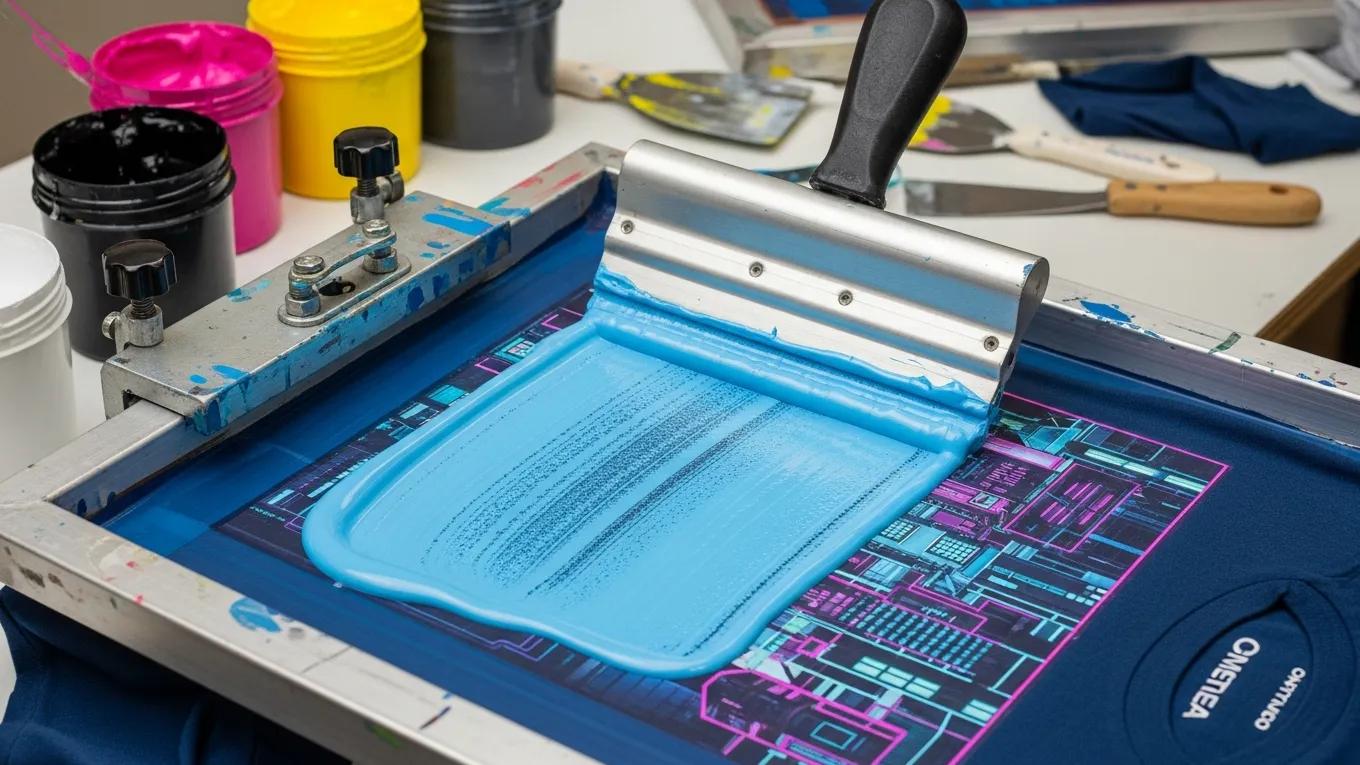
The screen printing process involves several key steps that contribute to the final product’s quality. First, a design is created, usually using graphic design software, and then a stencil is produced. The stencil is placed on a mesh screen, which is then secured to a printing press. Ink is applied to the screen, and a squeegee is used to push the ink through the open areas of the stencil onto the shirt. Once the design is printed, the ink must cure, which involves heating the fabric to bond the ink with the fibers, leading to a durable finish. This method ensures the ink penetrates the fabric for a lasting effect.
The Screen Printing Process Demystified: Mesh Counts, Emulsion Burning, Squeegee Pressure, and Flash Curing
To truly understand the art of screen printing custom shirts, it’s essential to dive deeper into the technical aspects that influence the quality and precision of your prints.
Mesh Counts: 110 vs. 160 vs. 230+
The mesh count refers to the number of threads per inch in the screen mesh. It significantly affects the detail and ink deposit on your custom shirts:
- 110 mesh: Coarser mesh suitable for heavy ink deposits and bold, simple designs. Ideal for thicker inks like puff or plastisol.
- 160 mesh: A versatile mid-level mesh that balances detail with ink coverage. Commonly used for standard screen printing tasks.
- 230+ mesh: Fine mesh for intricate, detailed work requiring thin ink layers. Best for water-based inks and fine line art for soft prints.
Emulsion Burning
Emulsion burning is the process of exposing a photosensitive emulsion-coated screen to UV light through the printed design stencil. Proper burning creates a precise template where ink passes only through the desired design areas. Accurate emulsion burning affects print sharpness and edge detail in your custom screen printed t-shirts.
Squeegee Pressure
The amount of pressure applied while pushing the squeegee across the screen impacts ink deposit and print clarity. Too much pressure can cause ink bleeding and loss of detail, while too light pressure can result in patchy prints. Skilled operators adjust squeegee pressure based on ink type, design complexity, and fabric texture to ensure excellent output.
Flash Curing
Flash curing is a quick heating step between printing multiple colors or layers to partially dry the ink before applying the next. This prevents colors from blending unintentionally and enhances color vibrancy. Efficient flash curing ensures the durability and quality of your bulk screen printing projects.
Inks & Specialty Finishes: Plastisol vs. Water-Based Discharge vs. Metallic vs. Puff Ink
Choosing the right ink and finish is crucial when creating custom screen printed t-shirts that meet your aesthetic and functional needs. Here’s a breakdown of common ink types:
- Plastisol Ink: The most widely used screen printing ink, plastisol sits on top of the fabric, offering vibrant colors, excellent opacity, and durability. It’s less breathable but delivers consistent prints and is ideal for bulk screen printing on darker garments.
- Water-Based Ink: Penetrates the fabric fibers for a soft, breathable finish. Perfect for vintage looks and lighter garments. Water-based inks tend to fade gracefully with washes and are favored for eco-conscious printing.
- Discharge Ink: A water-based ink variant that removes the fabric dye and replaces it with ink color, resulting in a super-soft, vibrant print with a worn-in feel. Best on 100% cotton shirts.
- Metallic Ink: Adds shimmer and shine with metallic pigments. Used for specialty prints requiring a luxe or eye-catching finish.
- Puff Ink: Expands when heated to create a raised, textured effect, adding a tactile dimension to your design.
Understanding these inks helps you decide the softness, breathability, and visual impact that best align with your brand or event.
Garment Selection Guide: 100% Ring-Spun Cotton vs. 50/50 Poly-Cotton Blends vs. Tri-Blends
The choice of garment fabric is as important as the design and printing technique. Here’s what to consider when selecting shirts for your screen printing custom project:
- 100% Ring-Spun Cotton: Offers a smooth, soft feel and excellent ink adhesion for crisp prints. Ideal for vibrant colors and detailed designs. It provides a traditional, natural fabric feel but may shrink slightly after washing.
- 50/50 Poly-Cotton Blends: Combining polyester and cotton, these blends provide durability, reduced shrinkage, and a softer hand than 100% cotton. Prints may be slightly less vibrant but maintain good clarity. Popular for bulk screen printing due to cost and comfort.
- Tri-Blends (Cotton/Poly/ Rayon): Offering exceptional softness, stretch, and a heathered appearance, tri-blends create vintage-style garments that appeal to fashion-forward customers. Due to fabric blends, ink adhesion can vary, sometimes requiring specialized inks like water-based or discharge for best results.
Fabric Weight: The weight, measured in ounces per square yard, affects print clarity and feel:
- 4.3 oz: Lightweight, often used for sportive or casual wear. Prints may appear slightly less saturated.
- 6.0 oz: Heavier, more durable fabric with excellent print clarity and a premium feel. Preferred for brand apparel where longevity matters.
What Makes Screen Printed Shirts Durable and Detailed?
The durability of screen printed shirts can be attributed to the ink and the curing process. High-quality inks are used that withstand regular washing and wear without fading. Key factors that influence the longevity of the print include the type of fabric used, the quality of ink, and the curing process. Common inks used in screen printing include plastisol and water-based inks, each offering different benefits. Screen printed shirts remain vibrant and intact through numerous washes, making them a reliable choice for custom apparel.
How Does the Custom Shirt Design Process Ensure Your Brand’s Vision?
The design process for custom shirts is vital in aligning the final product with a brand’s identity. It typically starts with brainstorming design elements that resonate with the target audience. Collaboration between the client and a screen printing service can help refine these ideas into a final design. Feedback loops are essential, allowing adjustments to ensure the customer’s vision is accurately represented. Embellishway specializes in providing high-quality custom design and printing solutions, focusing on matching the client’s vision with their print capabilities to achieve the desired outcome.
What Steps Are Involved in Ordering Custom Screen Printed Shirts?
Ordering custom screen printed shirts involves a straightforward process that ensures clients receive their desired product efficiently. Key steps include:
- Preparation: Assessing your printing needs and gathering design ideas.
- Design Selection: Choosing the right design elements, colors, and garment types.
- Finalizing Orders: Approving artwork proofs and deciding on quantities and delivery timelines.
These steps guarantee a seamless ordering experience, enabling customers to focus on their creative vision while ensuring timely delivery of their custom shirts.
Screen Printing vs. DTF/DTG Cost Breakdown
When choosing a method for custom screen printed t-shirts, cost plays a crucial role. Screen printing and digital methods like Direct-to-Film (DTF) and Direct-to-Garment (DTG) have different pricing structures.
- Setup Costs: Screen printing involves initial setup fees for screens and artwork, typically justifiable starting at around 24 units.
- Per-Unit Costs: DTF/DTG has no setup fee but higher per-shirt costs, making it ideal for small runs and highly detailed or multi-color designs.
- Cost Curves: Screen printing becomes drastically cheaper per unit as order sizes increase. For example:
For bulk screen printing, the per-shirt savings are significant, especially when simplicity in design and fewer colors are used. Digital printing shines with complex, small-batch, or photo-realistic designs but tends to be less economical for large quantities.
What Pricing and Bulk Ordering Options Are Available for Screen Printed Shirts?
Pricing for screen printed shirts varies based on several factors including design complexity, color count, and quantity ordered. Choosing bulk orders usually provides significant savings, making it an economical choice for businesses and events. Below is a comparison of common pricing tiers for different order sizes:
This tiered pricing structure allows customers to benefit from cost reductions as they increase their order size, making it an appealing option for organizations looking to outfit teams or events. Understanding these pricing structures is key for budgeting.
Are There Eco-Friendly Screen Printing Options for Custom Shirts?
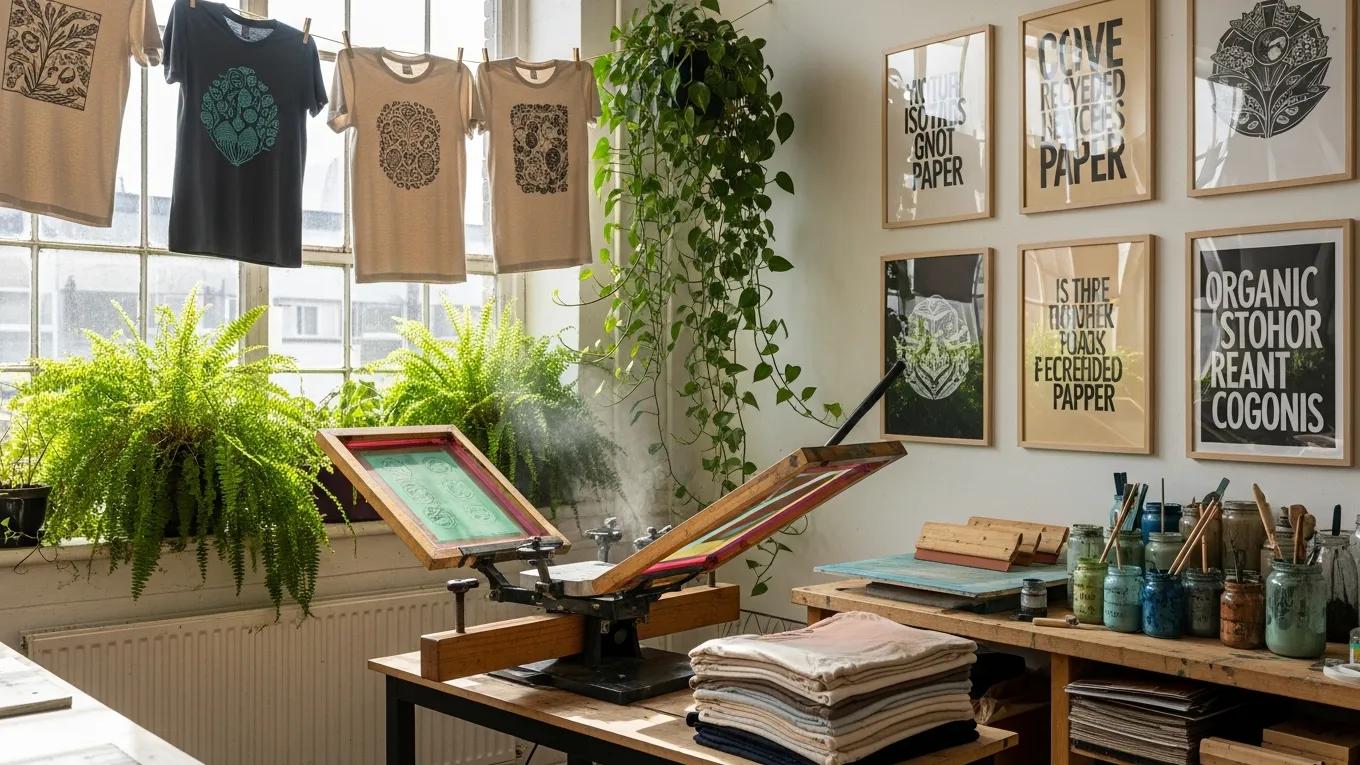
Many companies now offer eco-friendly screen printing options, which utilize sustainable materials and processes. Techniques such as water-based inks and organic fabrics are gaining traction as consumers become more environmentally conscious. The benefits of eco-friendly screen printing include reduced environmental impact, less chemical usage, and a commitment to sustainability. Choosing sustainable practices for custom printed shirts not not only reflects well on brands but also appeals to a growing demographic that values environmental responsibility. Consider exploring eco-friendly screen printing for your next project.
Environmentally Benign Screen Printing Inks for Sustainable Textile Applications
Screen printing presents a promising avenue for high-throughput printed electronics. Presently, the formulation of nanomaterial-based conductive inks typically involves intricate compositions often containing toxic surfactants, rendering them unsuitable for environmentally conscious printing technologies. This study details the development of a silver nanowire (AgNW) ink characterized by a comparatively low conductive particle loading of 7 wt%. The AgNW ink’s formulation is straightforward, incorporating a biodegradable binder and an eco-friendly solvent, and crucially, it is devoid of toxic surfactants, thereby enabling an environmentally sound printing process.
Eco-friendly screen printing of silver nanowires for flexible and stretchable electronics, D Shukla, 2023
For businesses looking to create a cohesive brand identity, custom apparel is a powerful tool. Whether for employee uniforms, promotional events, or merchandise, high-quality screen-printed shirts make a lasting impression. Investing in professional screen printing services ensures that your brand’s message is conveyed effectively and that the apparel represents your organization with pride.